

Elder Care Made Simple Panic Alert Systems for Canadian Seniors
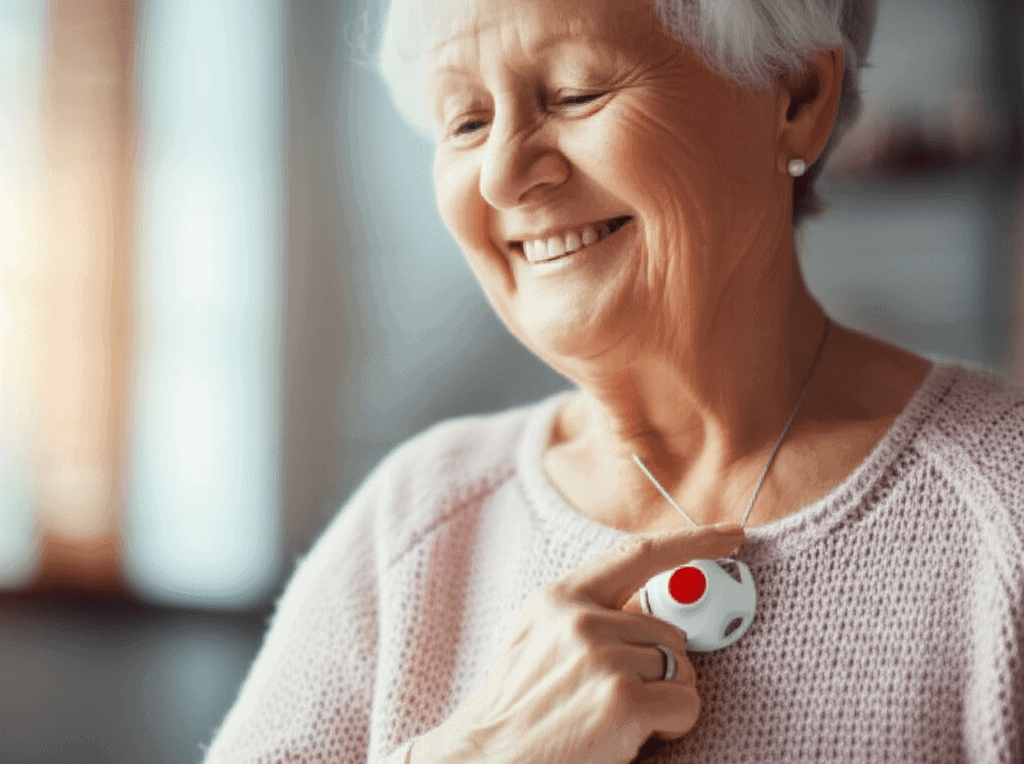
When aging loved ones stay home longer, safety becomes the number one worry for families all over Canada. Panic alert systems step up as lifesavers, letting seniors call for help in a flash. These gadgets pack all sorts of features, and real stories show they save lives when every second counts. Picking the perfect one feels simple once the tricks and details of each device become clear. The mission stays the same—get help there quick. Knowing this helps protect what matters most and keeps peace of mind right within reach. Dive in to find the smartest pick that could change everything.
Whether you are shopping for a parent, advising a community group, or writing a care plan, clear information helps reduce stress and surprises. Read on for practical tips on picking, setting up, and using panic alert systems with Canadian seniors so you and your family can feel ready for common scenarios.
Elder Care Made Simple Panic Alert Systems for Canadian Seniors
This phrase captures the core interest many families have. Panic alert systems come in many shapes and sizes and the best fit depends on daily routines, mobility, and local emergency services. Some units are wearable pendants or wristbands. Others are home base units with a wearable button. Key features to look for include reliable two way voice communication, battery life, fall detection sensors, and whether the system uses cellular, landline, or Wi Fi.
Think about simple questions when screening options. How will the device connect to emergency responders in your region. Will a local response team be sent or will a family member be contacted first. What happens if power or internet goes down. A clear answer to these questions points to choices that will work day to day.
How panic alert devices work and what families should expect
Panic alert systems usually follow one of two models. The first links to a 24 hour monitoring center that can call emergency services. The second calls preset contacts such as family or neighbours first and then emergency services if needed. Devices communicate over cellular networks, landlines, or Wi Fi. Wearables may offer automatic fall detection that triggers an alert without pressing a button.
- Activation method — press a button or automatic fall detection
- Communication channel — cellular, landline, Wi Fi
- Response chain — monitoring center or contact list
- Battery and charging routine
Expect to test the device several times during setup. A simple rehearsal with a family member can confirm that voice links are clear and response contacts understand procedures. Keep an eye on battery indicators and plan a charging routine that fits daily life.
Choosing the right panic alert system for Canadian seniors
Not all systems are a good match for every household. Consider mobility, living environment, and the level of monitoring preferred. A mobile device with GPS is useful for an active senior who goes to appointments or community events. A home base unit can work well when outings are infrequent and the senior spends most time indoors. If broadband is unreliable, cellular systems usually offer more consistent connections.
Connectivity options and coverage concerns
Cellular coverage varies across provinces. Urban areas typically have strong signals while remote areas may not. Check a provider coverage map before committing. If the senior lives in a basement suite or a home with thick walls, test the device in the specific living spaces to confirm signal strength. Some companies offer backup battery power for home base units so alerts still go through during short power outages.
Monitoring options and who responds
Decide whether professional monitoring or family monitoring is preferred. Professional centers operate round the clock and have protocols to dispatch emergency services. Family monitoring relies on quick availability of selected contacts and can be cheaper. For seniors who live alone with limited nearby family, a professional center can provide steady coverage.
Real world examples and common use cases
Example one involves a retired teacher in Ontario who fell in her kitchen and could not reach a phone. Her wearable alerted a monitoring center which immediately contacted emergency medical services. The same device later helped when she had a medication reaction and needed transport to hospital. The device’s fall detection and two way voice link made a difference.
Example two describes a couple in Nova Scotia where one partner has mild memory loss. Their system was set to call the family caregiver first during daytime hours and switch to a monitoring center overnight. That hybrid plan matched their rhythms and kept response costs balanced.
Each case shows that matching device settings to daily life can reduce false alarms and speed the right kind of help.
Installation setup and daily use tips
Simple practices make a panic alert system much more reliable in daily life. Use these hands on tips to keep systems ready when they are needed the most.
Placement and wearing recommendations
Wearable buttons should be worn consistently. If a senior washes dishes or gardens without the device, consider a second wearable kept in a common place such as the kitchen. For home base units install the unit centrally and test the two way speaker from bedrooms and common areas. Keep charging stations visible and set up a daily habit such as charging when the person watches evening television.
Testing and maintenance routines
Run a brief monthly test with the monitoring center and confirm contact phone numbers are current. Replace batteries before they drop to low capacity and note any software update prompts from the provider. Keep a written sheet near the main phone listing the device model number, serial number, and customer support contact for quick reference during troubleshooting.
Cost options and support programs across Canada
Monthly costs vary. Basic family contact systems can be low cost or one time purchases. Monitored systems with 24 hour response often carry a monthly fee between 20 and 60 Canadian dollars depending on features. GPS and automatic fall detection can add to the price. Some provinces and community organizations offer grants or rental programs for seniors on limited incomes. Veterans programs and local health authorities sometimes include funding for safety devices in home care plans.
Ask about hidden fees before signing a contract. Make sure warranty periods and cancellation terms are clear and that technical support is reachable during off hours. If affordability is a concern, prioritize core functions such as clear voice links and reliable connectivity over extra bells and whistles.
Privacy safety and legal considerations
Data collected by panic devices may include location information and voice recordings. Check a provider privacy statement to see how long data is kept and who can access it. For seniors with cognitive decline get written consent for monitoring whenever possible and document who has the right to make changes to account settings.
False alarms are common and systems should have clear cancellation steps. Train the senior and household members on how to cancel a false alarm so emergency services are not dispatched unnecessarily. Keep medical history notes available to monitoring staff so responders can act on relevant conditions quickly.
Resources for further reading and local help
Local health centres, seniors centres, and community care organizations often run demonstrations so you can handle a unit before renting or buying. Manufacturer trial periods are another way to test a solution in the senior s living environment. For a solid overview that covers technology and community response across Canada you can see full article which profiles devices and offers examples from different provinces.
When comparing offers, prepare a short checklist that covers coverage, response chain, battery life, cost, and support. Take the time to compare several providers and read recent user reviews to get a sense of reliability and service levels.
Conclusion
Panic alert systems for seniors are a practical way to keep help close at hand when accidents or medical events occur. Success depends on picking the right device for daily habits and local coverage, setting up clear response rules, and maintaining regular checks. Small steps like testing a device monthly, keeping contact lists current, and establishing a charging routine will make a system much more useful when it is needed.
If you are shopping for a solution start with a walk through of the senior s daily routine then match that list to device features and response models. Trial periods and local demonstrations are worth the time. Reach out to community care organizations to learn about financial support if cost is a concern. When choices are clear you can move forward with confidence and practical plans that fit family life.
Advertisement

Advertisement

Recent Posts
Sponsor