

Achieve Peak Senior Fitness and Unwavering Safety
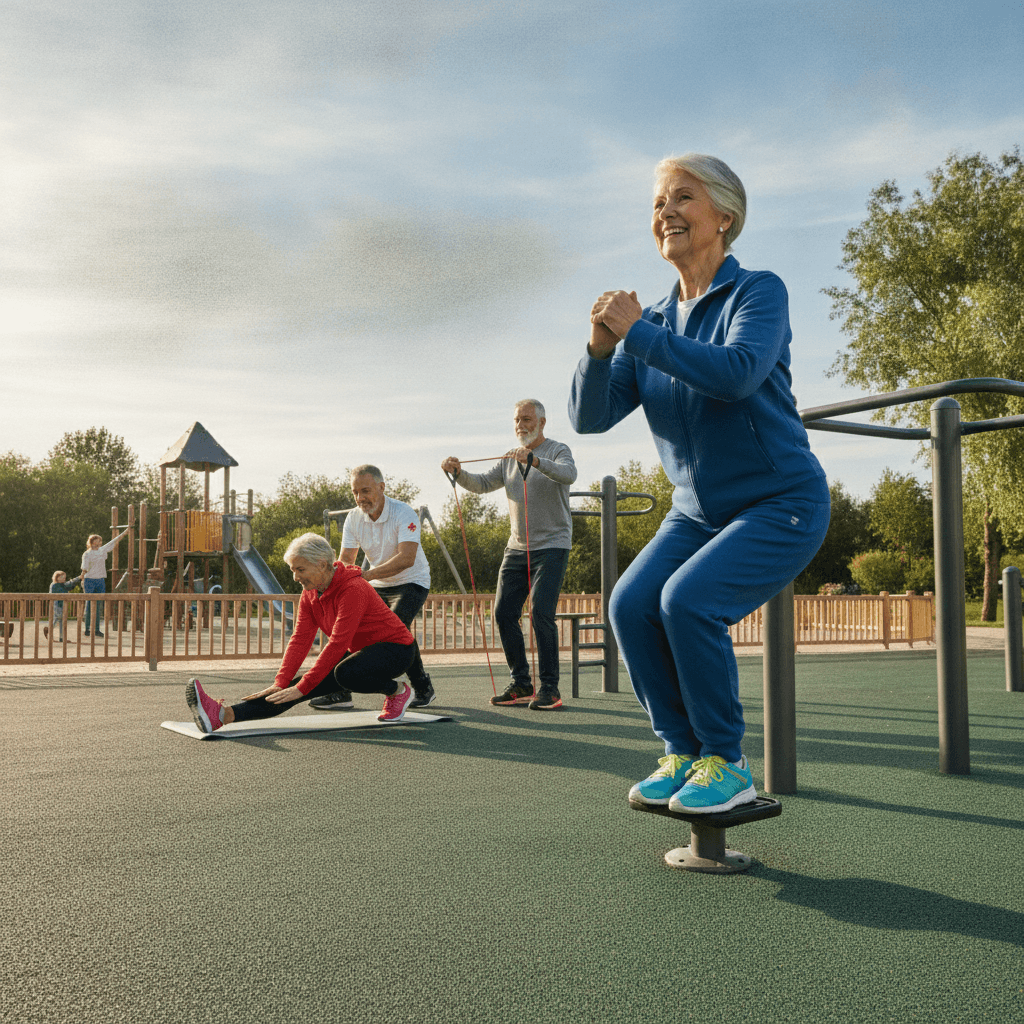
Staying active and safe becomes increasingly important as we age. I believe that maintaining physical fitness and ensuring a secure environment allows us to enjoy our golden years with confidence and independence. It is about more than just avoiding injury. It is about embracing a lifestyle that keeps our bodies strong and our minds sharp.
I have seen firsthand how simple adjustments can make a profound difference in a senior’s quality of life. Achieving peak senior fitness and unwavering safety requires a mindful approach. We can proactively support our health and well-being with consistent effort and the right strategies.
This article explores practical ways to stay fit and safe. It offers insights into building strength, improving balance, and making your home a safer place. My goal is to empower you with knowledge and practical tips.
Understanding the Foundation of Senior Fitness
I often emphasize that fitness at any age begins with understanding our bodies. For seniors, this means recognizing how our physical capabilities may change. It also means adapting our approach to exercise. The foundation of senior fitness rests on consistency and listening to what our bodies tell us.
Regular physical activity helps maintain muscle mass and bone density. These are two critical factors that can decline with age. I have learned that even moderate exercise, when done regularly, can significantly improve cardiovascular health. It also boosts mood and enhances cognitive function.
We do not need to aim for intense workouts right away. The key is to start small and build up gradually. I suggest focusing on activities you enjoy. This makes it easier to stick with a routine. Walking, swimming, or light gardening are all great starting points. The main idea is to keep moving.
The Benefits of Staying Active
The benefits of staying active extend far beyond just physical strength. I see it as a holistic approach to well-being. Regular exercise can reduce the risk of chronic diseases. These include heart disease, diabetes, and certain types of cancer. It also helps manage existing conditions, keeping symptoms at bay.
Beyond the physical, I find that activity greatly supports mental health. It can alleviate feelings of anxiety and depression. Exercise releases endorphins which are natural mood boosters. This often leads to a more positive outlook on life.
Staying active also fosters social connections. Group classes or walks with friends provide opportunities for interaction. This keeps the mind engaged and prevents feelings of isolation. I encourage everyone to explore activities that combine physical movement with social enjoyment.
Crafting a Safe and Effective Exercise Routine
Building an exercise routine as a senior involves a few important considerations. I always recommend consulting with a doctor before starting any new fitness program. This ensures that your chosen activities are suitable for your current health status. It also helps identify any potential risks.
A balanced routine should include different types of exercise. Strength training is vital for maintaining muscle and protecting joints. I use light weights or resistance bands. Flexibility exercises keep our bodies limber. This improves range of motion and helps prevent stiffness.
Endurance activities, like brisk walking or cycling, support heart health. They also build stamina. I find that incorporating a mix of these elements provides the most comprehensive benefits. It keeps the body challenged in varied ways.
Tailoring Workouts to Individual Needs
Every individual is unique. So their exercise routine should reflect their specific capabilities and goals. I focus on modifying exercises to suit personal needs. For example, chair exercises are excellent for those with limited mobility. Water aerobics offers a low-impact option that is gentle on joints.
Paying attention to your body is critical. If something causes pain, stop immediately. It is not about pushing through discomfort. It is about finding movements that feel good and are beneficial. I recommend starting with shorter sessions. You can gradually increase the duration and intensity as your strength grows.
Setting realistic goals is also very helpful. Celebrate small victories along the way. This keeps motivation high and makes the journey enjoyable. I believe that a personalized approach ensures long-term success and prevents burnout.
Prioritizing Balance and Flexibility for Fall Prevention
Falls are a major concern for seniors. I know that improving balance and flexibility can significantly reduce this risk. These two aspects of fitness are interconnected and play a crucial role in maintaining stability. Stronger core muscles and improved joint mobility help us react better to unexpected movements.
Simple exercises can make a big difference. I practice standing on one foot for short periods. You can hold onto a sturdy object for support when you first start. Tai chi is another excellent option. It combines gentle movements with deep breathing. This improves both balance and mental focus.
Stretching regularly is also key for flexibility. I make sure to stretch major muscle groups after a warm-up. This includes hamstrings, quadriceps, and shoulders. Holding each stretch for 20 to 30 seconds can improve range of motion over time. For more specific guidance on staying fit and safe, I often refer to resources that provide expert tips. For example, you can find valuable information and practical advice on the Health Wellbeing website. They offer great strategies for maintaining senior health.
Enhancing Stability Through Targeted Exercises
To further enhance stability, I incorporate specific exercises that challenge my balance. Walking heel-to-toe is one such exercise. I imagine I am walking on a tightrope. This forces my body to engage core muscles for stability. Practicing getting up from a chair without using my hands is another effective technique. It builds leg strength and balance simultaneously.
Regular practice of these exercises strengthens the muscles needed to prevent falls. It also improves proprioception. This is our body’s sense of its position in space. A better sense of where our body is helps us adjust more quickly to uneven surfaces. I integrate these activities into my daily routine for consistent benefits.
Nutritional Strategies to Fuel Senior Activity
Proper nutrition is the bedrock of any fitness regimen. This is especially true for seniors. I focus on a diet rich in whole foods to provide the energy needed for activity. It also supports overall health. Nutrient-dense foods help maintain muscle mass. They also keep our bones strong and our immune system robust.
Protein is particularly important for seniors. I aim for adequate protein intake at each meal. This helps prevent sarcopenia. This is the age-related loss of muscle mass. Lean meats, fish, eggs, dairy, and legumes are all excellent sources. They fuel our active bodies.
Hydration is another critical component. I make sure to drink plenty of water throughout the day. Dehydration can lead to fatigue. It can also impair cognitive function and increase the risk of falls. Keeping a water bottle handy is a simple way to stay on track.
Essential Nutrients for Active Seniors
Beyond protein and water, I prioritize several other key nutrients. Calcium and Vitamin D are vital for bone health. Dairy products, leafy greens, and fortified foods are good calcium sources. Sunlight exposure and certain fatty fish provide Vitamin D. Sometimes, I consider supplements if dietary intake is insufficient.
Fiber is important for digestive health. It also helps manage blood sugar levels. Fruits, vegetables, and whole grains are packed with fiber. These foods also provide essential vitamins and antioxidants. I believe a colorful plate ensures a wide array of nutrients.
Omega-3 fatty acids, found in fish like salmon, support brain and heart health. I include these in my diet regularly. A well-rounded nutritional plan supports both physical performance and long-term health.
Integrating Safety into Daily Living
Achieving unwavering safety means actively looking at our daily environment. I consider my home a primary area for safety improvements. Simple modifications can drastically reduce the risk of accidents. We often take our surroundings for granted. But a few thoughtful changes can make a big difference.
Good lighting is crucial. I ensure all pathways are well-lit. Nightlights in hallways and bathrooms are a smart addition. Removing tripping hazards is another easy step. Loose rugs, clutter, and electrical cords can all cause falls. I make sure these areas are clear and organized.
Using assistive devices when needed is a sign of wisdom, not weakness. Handrails in bathrooms, shower chairs, and non-slip mats provide extra support. These tools help maintain independence. They also prevent injuries in high-risk areas.
Assessing and Modifying Your Environment
I perform regular safety checks around my home. This includes checking stairs for secure handrails. I also look at flooring for any uneven spots. Ensuring adequate space to move freely helps prevent bumps and scrapes. Rearranging furniture can open up pathways.
Outside the home, I stay aware of my surroundings. I wear appropriate footwear with good traction. I also pay attention to uneven sidewalks or slippery surfaces. Carrying a mobile phone provides peace of mind. It means I can call for help if needed. Being proactive about safety allows us to enjoy our activities without constant worry.
The Role of Regular Health Monitoring and Professional Guidance
I believe that consistent health monitoring is an indispensable part of senior fitness and safety. Regular check-ups with my doctor help track my overall health. They also allow us to catch any potential issues early. This proactive approach helps address concerns before they become serious problems.
Discussing my exercise routine and diet with my physician is always a good idea. They can offer personalized advice based on my health history. They also help me understand any limitations. This guidance ensures I am exercising effectively and safely. It also confirms my nutritional plan is meeting my needs.
Physical therapists can be invaluable resources. I have found their expertise beneficial for tailoring exercises. They can help with specific conditions or rehabilitation needs. They teach correct form to prevent injuries. They also help improve strength and balance in a structured way.
Specialists such as dietitians can offer guidance on dietary requirements. They can help manage chronic conditions through food. I am open to seeking professional advice. It helps me make informed decisions about my health journey. This collaboration with healthcare providers is a cornerstone of achieving peak senior fitness.
Embracing a Lifestyle of Well-being and Confidence
Achieving peak senior fitness and unwavering safety is a continuous process. It is a commitment to yourself. I have learned that by integrating physical activity, sound nutrition, and mindful safety practices into daily life, we truly can thrive. My aim is always to approach each day with a sense of purpose and confidence, knowing that I am actively investing in my well-being. Regular movement, smart eating, and a secure environment create a powerful combination for lasting health. Embrace the journey with patience and determination. Every step you take toward a more active and safer lifestyle is a step toward a richer, more fulfilling life. You have the power to make these positive changes. Start today and see the incredible difference it makes.
Advertisement

Advertisement

Recent Posts
Sponsor